Sourcing
Keeping a Traceable Record While Reporting Alone
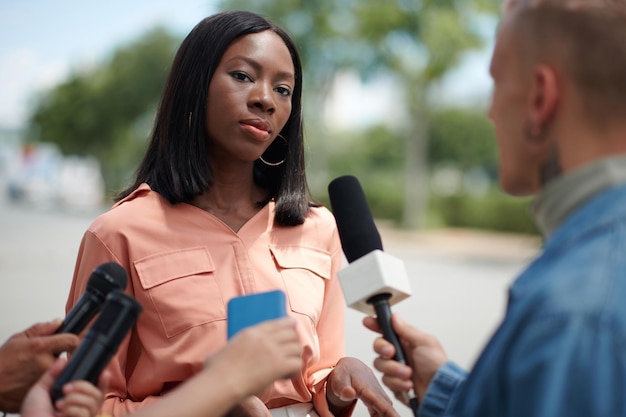
Most reporters working on their own eventually learn the same lesson, usually the hard way: a strong story is only as good as the trail behind it. When you're the only person checking your work, that trail has to be good enough to survive a stranger's questions, not just your own memory of how a conversation went.
The habit that seems to matter most isn't a particular app or notebook system. It's the discipline of writing down where something came from at the moment you learn it, not an hour later when the detail has already started to blur into the rest of the day.
What a usable note actually contains
A note that will hold up months later needs three things at minimum: who or what the information came from, when you got it, and how confident you are in it. Reporters often skip the third part, assuming they'll remember the caveats. They rarely do.
- —A named source gets a name and a role, not just "official."
- —A document gets a date and, where possible, a copy kept somewhere safe.
- —A secondhand account is labelled as such, clearly, at the point you record it.
Building the habit without slowing down
The concern we hear most is that this kind of record-keeping will slow reporting down at the exact moments speed matters. In practice it rarely does, once the habit is set. A single line noting source, date and confidence takes seconds. What takes longer is reconstructing that same information weeks later from memory, which is the actual cost of skipping it.
"The record doesn't need to be elaborate. It needs to still make sense to you in six months."
A simple structure — one that separates fact from source from confidence — travels well between formats. It works in a paper notebook, a plain text file, or a spreadsheet, and it doesn't depend on any particular tool staying available or affordable.
None of this replaces editorial judgment. But it does mean that when a claim is challenged, or an editor asks a hard question, the answer is already written down somewhere, in your own words, from the moment you first heard it.
Want a second opinion on how you're keeping your own records?
Get in touch